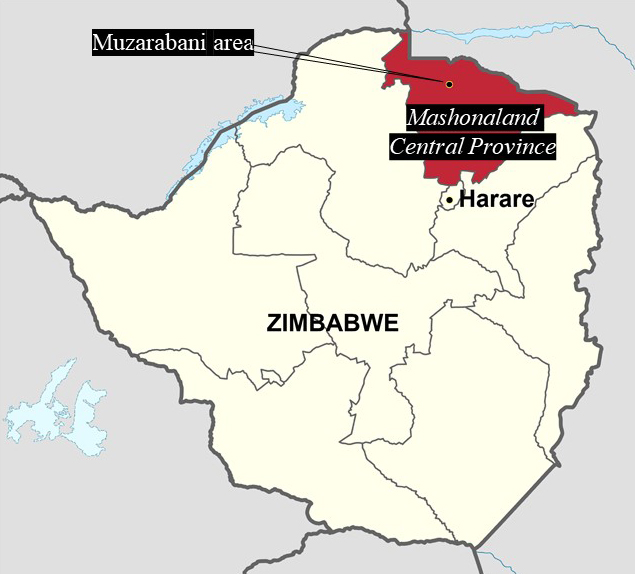
Rotary Club of Norwood is now supporting the water and sanitation infrastructure improvement in 2 schools in Zimbabwe.
In rural Zimbabwe, many children do not complete their education, because
- Parents in disadvantaged rural communities can’t afford school fees
- Distances to school are long and children arrive at school hungry and tired
- Many teenage girls stop attending school because they can’t afford sanitary wear and every month they miss school for a few days of pregnancies and child marriages
- Many schools are unsafe and unattractive: run-down buildings, broken windows, crumbling roofs, unhygienic toilets and insufficient water supply
Through the connection established by Sigrid Pfaffle, member of Rotary Club of Norwood as well as Executive Director of No Barriers Education Foundation Inc, we are collaborating together to overcome barriers, encourage learning and create opportunities to thrive for students in Mashonaland Central in the north of Zimbabwe.
In Zimbabwe, education is considered a basic human right enshrined in the Constitution. Children are expected to attend school, until they are at least 16 years old. But this is far from reality: Many children struggle to make the transition from primary to secondary school and many of those who do never complete their secondary education.
Their parents, living in poor, drought affected rural communities, often cannot pay school fees. Without sufficient revenue from fees, schools are unable to develop and maintain critical infrastructure. Classrooms are crumbling and often without furniture; water supply is poor putting students’ health at risk. Learning materials are scarce with textbooks often shared by more than 10 students. Some classes are without any textbooks at all. With no access to electricity online learning is not an option.
Distances from home to school are long, a walk of 1 to 2 hours for one way is not unusual. Children arrive at school tired and hungry – ill prepared for a day’s learning. All this makes for a most disheartening learning environment.
Girls even face greater challenges. While enrolment rates for girls and boys are similar at the start of secondary school, as girls grow older, they are twice as likely to drop-out. Contributing factors are:
In tough economic times families ofter prefer to only send boys to school;
Issues surrounding menstruation: Because most girls cannot afford proper sanitary wear two thirds miss school every month resulting in them falling behind:
Early pregnancy and/or marriage: Poverty and girls’ low self-esteem are central drivers of early pregnancy. Family pressures too lead to early marriages with most ‘teenage wives’ never resuming their education
These barriers prevent many Zimbabwean youth from thriving at school. But it also limits their opportunities later in life: Their final school results tend to be insufficient to qualify them for the few available formal jobs. With no other options, school leavers often join their parents in working the land. And without bringing new skills to the from the cycle of poverty continues.
What No Barriers do
No Barriers Education Foundation Inc is a small Australian, not-for-profit organisation with the purpose of “assisting Zimbabwean children and youth to overcome barriers to education, to encourage their learning and to create opportunities for them to thrive”. It represents a group of individual supporters, who value education and feel strongly that education should be accessible by all. It is apolitical and does not have any religious affiliations.
No Barriers target the following goals:
- Overcome barriers: No barriers assist children to remain at school and those, who stopped attending, we encourage them to return to school. We also ensure that children are ready for a day’s learning at school. We do this through –
Assisting schools to provide meals at start of the day
Menstruation hygiene assistance for girls: sanitary hygiene kits and workshops
School fee subsidies for vulnerable students
Bicycles for transport to and from school
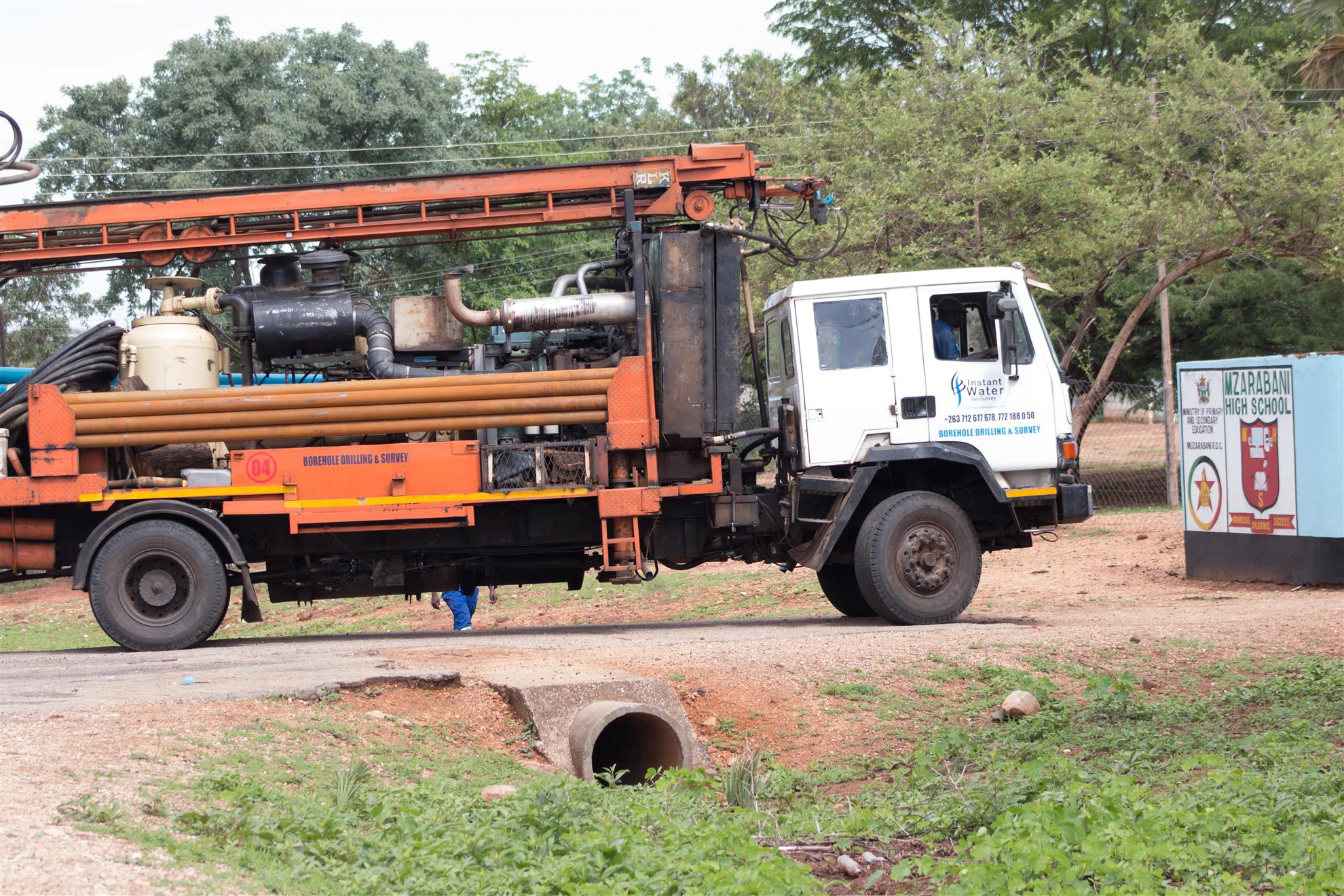
Improving school infrastructure, especially toilets and water supply to ensure schools can meet Covid-19 safe requirements.
- Encouraging learning: No barriers work with schools towards becoming “centres for learning” and we also provide students with incentives to study, through:-Learning materials: textbooks, online learning equipment Learning infrastructure: solar systems to power laptops and WIFI Sport and social activities so school is more fun Rewards for students who complete secondary school: retention of bicycle after graduation Scholarships for academically gifted students.
- Create opportunities to thrive: Very few formal jobs are available to school leavers in rural areas of Zimbabwe. With no other options, school leavers join their parents in working the land. And as they don’t bring new skills to the farm the cycle of poverty continues.
No Barriers work with schools to develop students’ life skills and we seed income generating ventures by: Supporting training in vocational skills such as agriculture
Supporting school community gardens, bicycle repair and sewing workshops including provision of starter kits.
Where and who does No Barriers operate:
We work with secondary schools in Mashonaland Central in the north of Zimbabwe, close to the Mozambican border. Our partners are:Muzarabani High School and Hwata Secondary School
Some 700 students aged 13 to 18 years old attend these schools. Our initiatives were developed in close consultation with the schools and their communities.
To deliver our initiatives we partner with Zimbabwean based social enterprises, NGOs and the private sector to deliver these initiatives.
Sanitary Aid Zimbabwe is our partner in the delivery of menstruation hygiene kits to girls at our partner schools. They also deliver the menstruation health workshops as part of their mission to eradicate period poverty in Zimbabwe.
Buffalo Bikes is a Zimbabwean manufacturer of sturdy bikes suitable for local conditions. It is a subsidiary of World Bicycle Relief, a not-for-profit seeking to build a sustainable bicycle infrastructure in developing countries. We will partner with them to provide bikes and bike maintenance workshops to the schools and to develop vocational training opportunities for school leavers.
Our ICT partners are Yadura Design Studio and Laser IT, which support NoBarriers’ work by donating their skills and services.
How Rotary Club of Norwood support the project
Sigrid Pfaffle, the Executive Director of No Barriers as well as board member of Rotary Club of Norwood, has always played as the critical role of annexation and engagement between two groups. RC Norwood is providing financial support through multiple ways, including regular BBQ events in front of Bunnings Mile End and other activities held by the Norwood, Payneham and St Peters Council, and fundraising in events held by collaborating organizations including University of Adelaide Rotaract club, such as the Cultural Night in Sep 2021 when both RC Norwood and No Barriers were sponsors. RC Norwood members are also keeping attention and discussing issues about project progress in routine working meetings.